
Tips for Traveling with Your Dog
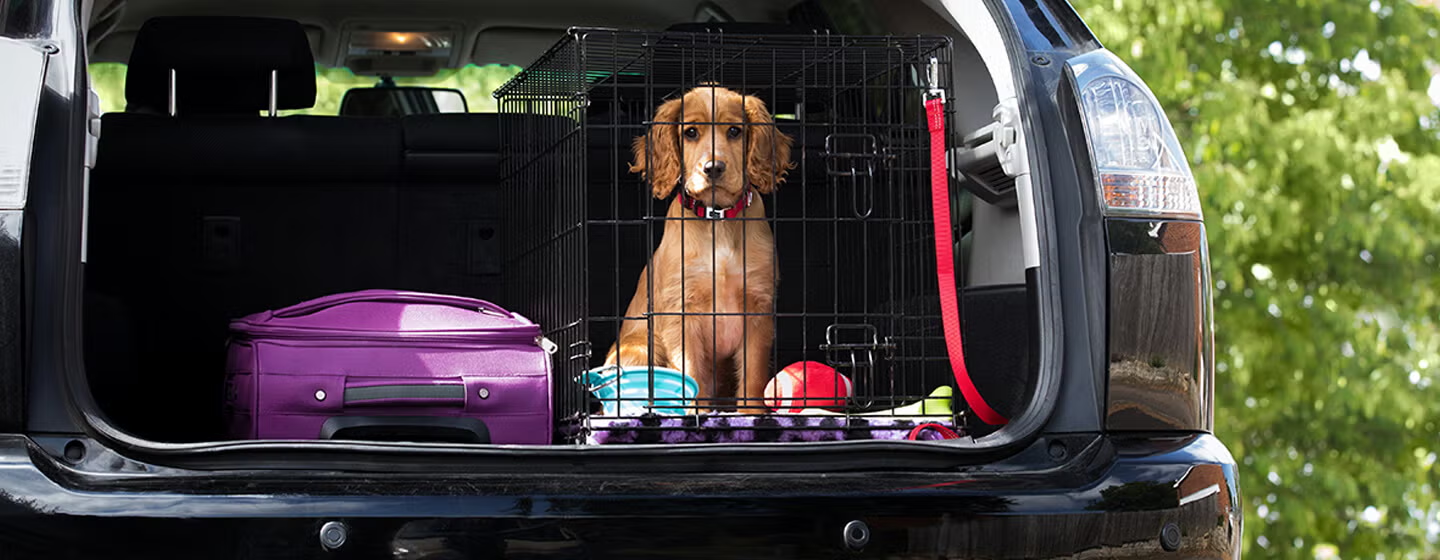
Traveling with your dog can be a rewarding experience, but it requires thoughtful planning. Whether you’re heading out on a road trip or flying to a new destination, your pet’s comfort and safety should come first. With the right preparation, you can make the journey enjoyable for both of you.
This guide covers practical tips to ensure a smooth and stress-free trip with your dog.
Plan Ahead Before You Travel
Preparation is essential when traveling with pets.
- Check if your destination is pet-friendly
- Confirm hotel or accommodation policies
- Research nearby veterinary clinics
- Understand local pet regulations
Planning ahead helps avoid last-minute complications.
Visit the Veterinarian
A quick health check ensures your dog is fit for travel.
- Update vaccinations if needed
- Ask for a health certificate (especially for flights)
- Discuss motion sickness or anxiety concerns
- Carry necessary medications
This step is especially important for long-distance trips.
Pack a Dog Travel Kit
Having essentials on hand makes travel easier.
- Food and water
- Portable bowls
- Leash and collar with ID tags
- Waste bags
- Favorite toys or blanket
- Grooming supplies
Familiar items help your dog feel more secure in a new environment.
Ensure Safe Transportation
Safety should never be compromised during travel.
For Car Travel
- Use a pet seat belt or carrier
- Avoid letting your dog roam freely
- Never leave your dog alone in a parked car
For Air Travel
- Use an approved travel crate
- Follow airline guidelines for pets
- Label the crate clearly with contact details
Proper restraint reduces the risk of injury.
Keep Your Dog Comfortable
Comfort plays a big role in reducing stress.
- Maintain a comfortable temperature
- Take regular breaks during road trips
- Offer water frequently
- Avoid feeding right before travel to prevent nausea
A calm dog makes the journey smoother.
Maintain Routine as Much as Possible
Dogs thrive on routine, even while traveling.
- Feed them at regular times
- Stick to familiar walking schedules
- Keep sleep routines consistent
This helps reduce anxiety in unfamiliar surroundings.
Choose Pet-Friendly Accommodation
Not all accommodations welcome pets.
- Look for pet-friendly hotels or rentals
- Check for additional fees or restrictions
- Ensure there’s enough space for your dog
Some places also offer pet amenities, making your stay more convenient.
Be Mindful of Your Dog’s Behavior
New environments can trigger unusual behavior.
- Keep your dog on a leash in public areas
- Avoid crowded or noisy places if your dog is anxious
- Watch for signs of stress or discomfort
Understanding your dog’s behavior helps you respond quickly.
Prepare for Emergencies
Unexpected situations can arise during travel.
- Carry a first-aid kit for pets
- Keep emergency contact numbers handy
- Have identification tags with updated details
Preparation ensures you can act quickly if needed.
Respect Local Rules and Etiquette
Responsible travel makes the experience better for everyone.
- Clean up after your dog
- Follow leash laws
- Respect other travelers and animals
Being considerate ensures a positive experience wherever you go.
Conclusion
Traveling with your dog can be a joyful and memorable experience when planned properly. By focusing on safety, comfort, and routine, you can reduce stress and make the journey enjoyable for both you and your pet.
With a little preparation, your dog can become the perfect travel companion.
FAQs
1. Can all dogs travel comfortably?
Not all dogs enjoy travel. It depends on their temperament, health, and past experiences.
2. How can I reduce my dog’s travel anxiety?
Use familiar items, maintain routine, and consult a vet for additional support if needed.
3. Is it safe to sedate a dog for travel?
Sedation should only be used under veterinary guidance, as it may not be suitable for all dogs.
4. How often should I take breaks during a road trip?
Ideally, every 2–3 hours to allow your dog to stretch, hydrate, and relieve itself.
5. What should I do if my dog gets motion sickness?
Avoid feeding right before travel and consult your vet for appropriate medication.
6. Are there breed restrictions for air travel?
Yes, some airlines restrict certain breeds, especially brachycephalic (short-nosed) dogs.
7. How do I keep my dog hydrated during travel?
Carry fresh water and offer it regularly, especially during long trips.
Comments are closed.