
How to Build a Versatile Wardrobe with Footwear
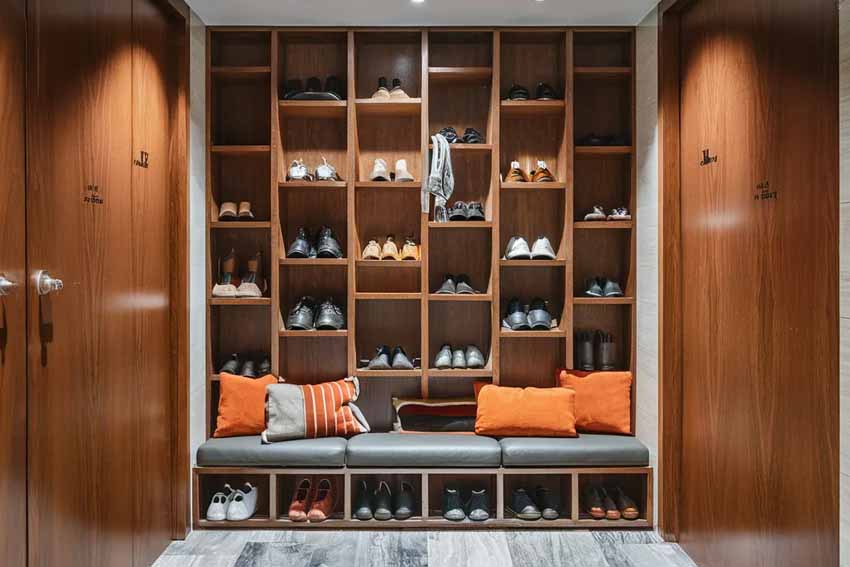
Most people own more shoes than outfits they actually reach for. The gap usually comes down to picking pairs that only work with one specific look instead of several. Getting the fit, material and colour right from the start changes that, turning five or six pairs into a rotation that covers nearly every plan on the calendar.
Fit and Material First
A shoe that looks right in a photo but pinches after an hour rarely gets worn twice. Leather and faux leather hold their shape across seasons and work for most closed styles. Canvas and mesh breathe better and suit warmer months, though they wear out faster under heavy use. Suede looks sharp but struggles the moment it meets rain.
Fit works differently depending on the shoe. Heels and flats rarely stretch, so they need to feel right from the first wear. Sneakers and sports shoes usually do better with a touch of extra room at the toe.
Worth checking before buying:
- Sole grip, particularly for anything worn on regular commutes
- Toe shape, since pointed styles run tighter than round ones
- Strap adjustability, which matters more for sandals than closed shoes
Footwear for women spans enough variety across these details, from block heels to loafers, that matching fit to the specific style matters more than trusting size alone.
Sneaker Styles and Colour
Sneakers now come in several distinct styles, each suited to a different day:
- Chunky-sole sneakers pair well with jeans or joggers, suited to casual outings and short trips
- Slip-ons work for quick errands where laces feel unnecessary
- Low-tops pair easily with dresses for a dressed-down finish
- High-tops lean sportier and suit jeans or joggers best
Colour matters too. White pairs with nearly anything but shows marks fast. Pastels suit regular rotation without demanding much thought. Bold colours work better as one statement pair rather than several.
Sneakers for women picked for travel or long walking days should have a cushioned insole and a sole that flexes rather than one that feels rigid underfoot.
Building Around Five Pairs
A small, well-chosen set covers most situations better than a large, scattered one.
| Pair | Works Best With | Occasion |
| Neutral block heels | Dresses, trousers | Office, day events |
| Ballet flats | Jeans, skirts | Casual, office |
| Everyday sneakers | Jeans, joggers | Casual, travel |
| Strappy sandals | Dresses, skirts | Evening, festive |
| Embellished flats | Ethnic wear | Festive occasions |
A single pair of sneakers for women usually absorbs both casual days and travel without needing a second option, while footwear for women meant for office wear tends to need more thought around heel height and material before it earns a permanent spot in rotation.
To Wrap Up
Getting fit, material and colour right turns a handful of pairs into a rotation that covers nearly every plan. Sneakers for women handle casual days and travel with little extra thought, while footwear for women picked for office or festive wear needs a touch more planning around heel height and finish. AJIO stocks 79,700+ footwear for women options and 3,400+ sneakers for women styles, giving shoppers enough range to build that rotation properly.
FAQs
- Is it worth buying the same sneaker style in two colours instead of two different styles?
Usually not. Two different styles, like a low-top and a slip-on, tend to cover more outfits than the same design repeated in another shade. - Why do some heels feel fine in the shop but hurt after a few hours?
Shops rarely replicate a full day of standing or walking. A short test walk on a harder floor gives a more honest read than a few steps on carpet. - Can one pair of sandals work for both day and evening plans?
A plain strappy sandal in a neutral shade usually manages both, provided the heel isn’t too high for daytime wear. - How often should sneakers be replaced?
If the sole is wearing down unevenly or losing grip it’s usually time for a replacement even if the upper still looks fine.
- Is it better to buy shoes slightly big rather than slightly small?
For most closed styles, yes. A shoe with a little extra room can be adjusted with insoles, while a tight one rarely gets more comfortable with wear.