
How Social Media Is Changing Food Trends
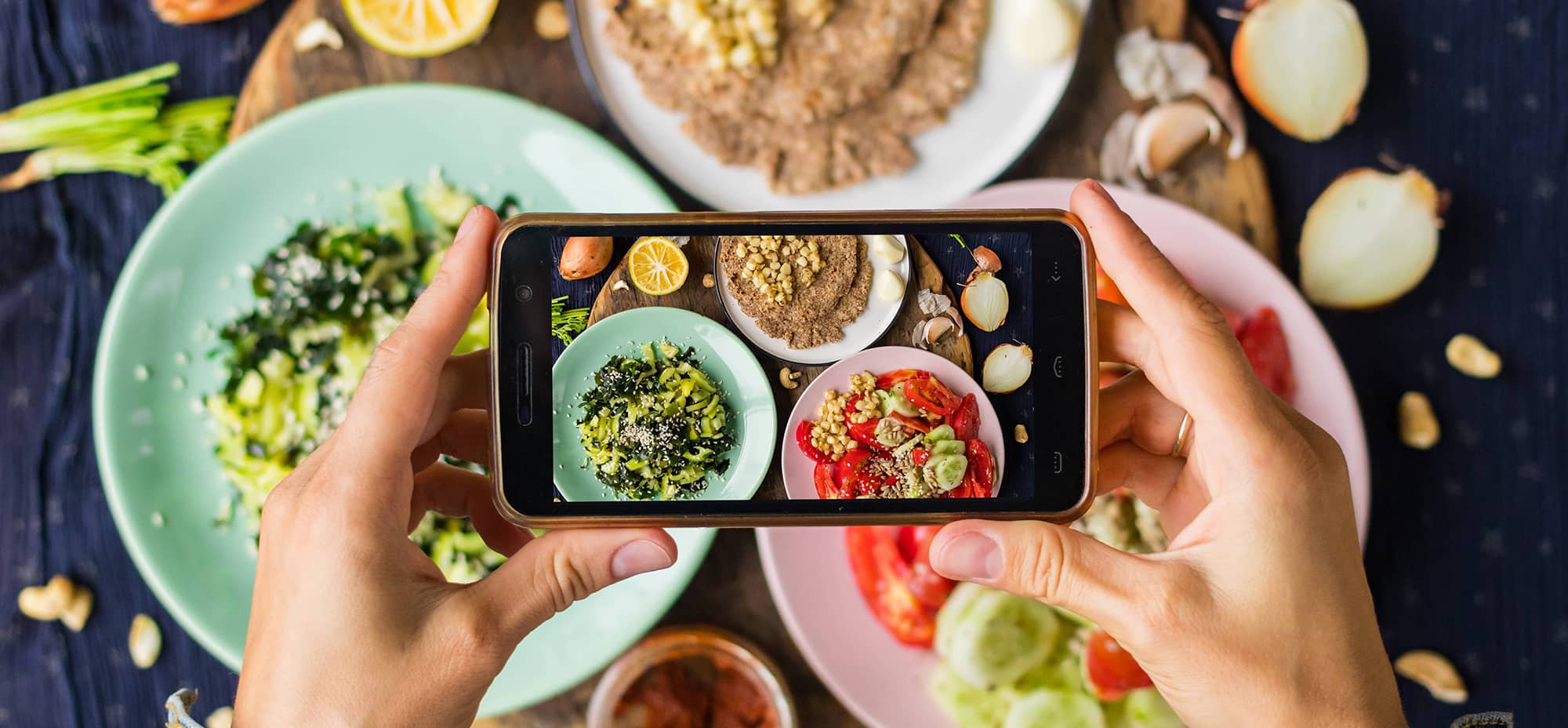
Food trends have always evolved, but social media has accelerated the pace like never before. Platforms centered around visuals and short-form content have turned everyday meals into global sensations within days. What people eat, how they cook, and even how food is presented are now heavily influenced by online sharing.
This shift has reshaped the food industry, home cooking habits, and consumer preferences in significant ways.
The Rise of Visual-Driven Food Culture
Social media platforms prioritize visual appeal, making presentation just as important as taste.
- Bright, colorful dishes attract more attention
- Unique plating styles become instantly popular
- Aesthetic appeal often determines what goes viral
As a result, chefs and home cooks alike focus on how food looks on camera.
Viral Food Trends Spread Rapidly
One of the biggest impacts of social media is how quickly trends emerge and spread.
- A single viral video can inspire millions to try a recipe
- Trends cross borders within hours
- Short-lived food crazes appear and fade quickly
Examples include whipped beverages, layered desserts, and creative street food adaptations.
Influence of Food Influencers and Creators
Content creators play a major role in shaping what people eat.
- Influencers introduce new recipes and cuisines
- Reviews and recommendations affect restaurant popularity
- Personal storytelling adds emotional appeal to food
Their reach often surpasses traditional advertising.
Increased Demand for Unique and Fusion Foods
Social media encourages experimentation.
- Fusion dishes combining different cuisines gain popularity
- Creative twists on traditional recipes attract attention
- Consumers seek novel and shareable experiences
This has led to more innovation in both home kitchens and restaurants.
Home Cooking Becomes Trendy
Cooking at home has gained a new level of visibility.
- Step-by-step videos make recipes easy to follow
- People recreate trending dishes in their own kitchens
- Cooking becomes a form of content creation
This has increased interest in culinary skills among younger audiences.
Health and Diet Trends Gain Visibility
Social media also amplifies awareness around nutrition.
- Popularity of plant-based diets
- Increased interest in low-carb, high-protein meals
- Focus on organic and clean eating
However, not all trends are scientifically sound, making it important to verify information.
Restaurant and Business Impact
Food businesses are adapting to stay relevant online.
- Designing dishes specifically for shareability
- Creating visually appealing interiors for photos
- Leveraging social media marketing to attract customers
A strong online presence can significantly boost foot traffic.
Short Attention Span and Trend Cycles
While social media creates opportunities, it also shortens trend lifespans.
- Trends can peak and fade within weeks
- Constant demand for new ideas pressures creators
- Consumers quickly move on to the next novelty
This rapid cycle influences how businesses plan menus and promotions.
The Role of Hashtags and Algorithms
Discovery is driven by algorithms and hashtags.
- Trending tags help content reach wider audiences
- Algorithms prioritize engaging and visually appealing posts
- Consistency in posting increases visibility
This system determines which food trends gain traction.
Balancing Trends with Authenticity
Despite the fast pace, authenticity still matters.
- Traditional recipes remain relevant
- Cultural storytelling adds depth to food content
- Genuine experiences often resonate more than staged ones
Striking a balance between trendiness and authenticity is key.
Conclusion
Social media has transformed food trends into a fast-moving, visually driven phenomenon. It influences not only what people eat but how they perceive and experience food. While it encourages creativity and global connection, it also demands awareness and critical thinking.
As trends continue to evolve, one thing remains clear—food is no longer just about taste; it’s also about how it’s shared, seen, and experienced.
FAQs
1. Why do some food trends go viral so quickly?
Because social media allows instant sharing and visual appeal attracts large audiences rapidly.
2. Are social media food trends reliable for healthy eating?
Not always. Some trends lack scientific backing, so it’s important to verify nutritional claims.
3. How do restaurants benefit from social media trends?
They gain visibility, attract new customers, and can increase sales through viral exposure.
4. Do food trends affect traditional cuisines?
Yes, but many traditional dishes adapt and evolve while maintaining their core identity.
5. Can anyone start a food trend online?
Yes, creative and engaging content can gain traction regardless of who creates it.
6. How do algorithms influence food popularity?
They promote content that receives high engagement, making certain dishes more visible.
7. Is social media changing how people cook at home?
Yes, it encourages experimentation, simplifies recipes, and makes cooking more interactive.
Comments are closed.