
Most Frequently Replaced Car Parts Explained
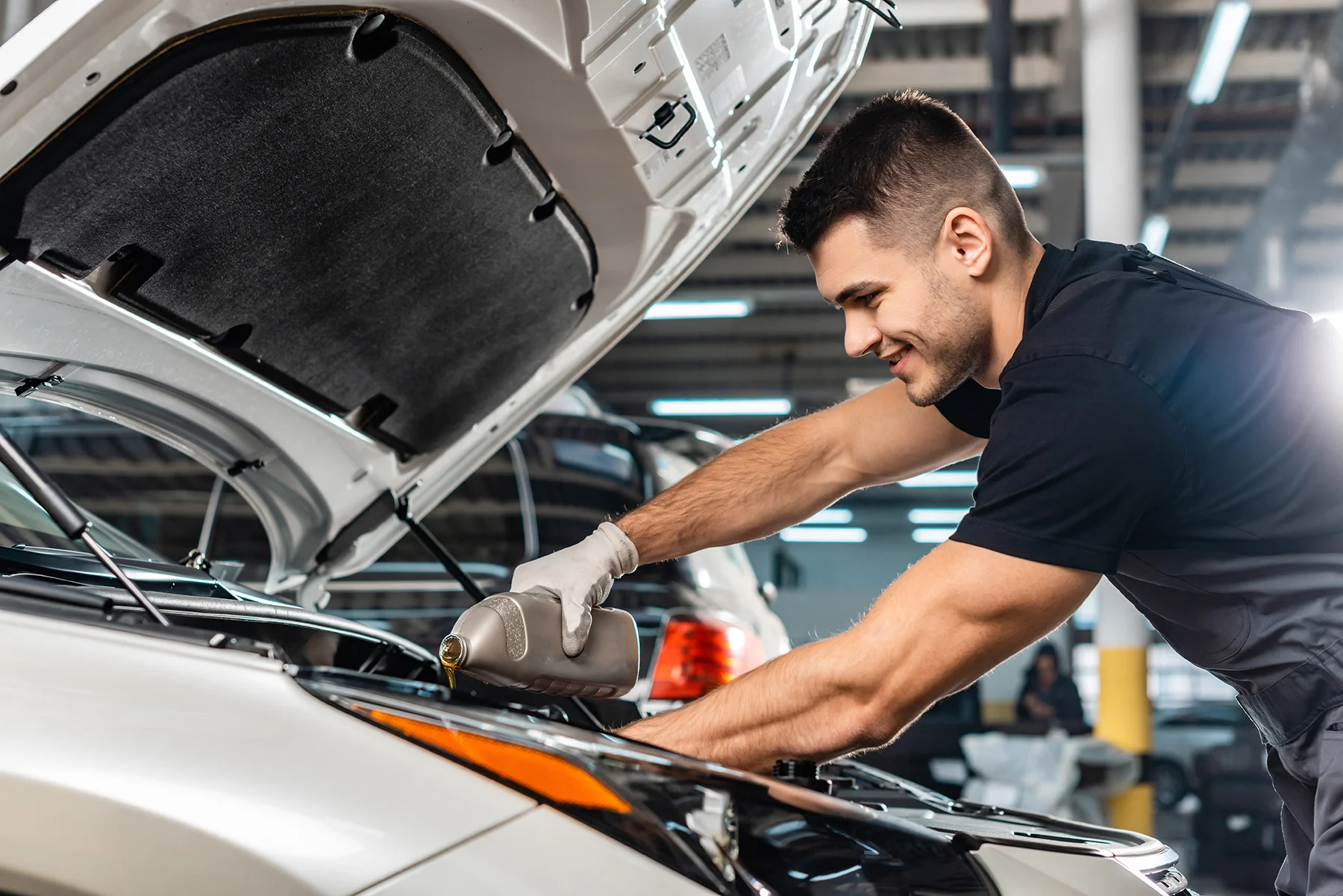
Cars are built to last, but not every component is designed for a lifetime of use. Some parts naturally wear out due to friction, heat, and constant operation. Understanding which car parts require frequent replacement helps you avoid unexpected breakdowns, reduce repair costs, and maintain optimal performance.
This guide breaks down the most commonly replaced car components, why they wear out, and how often you should expect to replace them.
Why Some Car Parts Wear Out Faster
Not all components age equally. Certain parts endure more stress because they:
- Experience constant friction (like brake pads)
- Are exposed to heat and combustion (like spark plugs)
- Filter out dirt and contaminants (like air filters)
- Rely on chemical reactions (like batteries)
Driving habits, road conditions, and maintenance routines also play a major role in how quickly these parts degrade.
Most Frequently Replaced Car Parts
1. Brake Pads
Brake pads are among the fastest-wearing components in any vehicle.
- Why they wear out: Constant friction against the brake rotor
- Typical lifespan: 30,000–70,000 km
- Signs of wear:
- Squeaking or grinding noise
- Reduced braking performance
- Vibrations while braking
Replacing brake pads on time prevents damage to more expensive components like rotors.
2. Engine Oil and Oil Filter
Engine oil is the lifeblood of your car’s engine.
- Why it needs replacement: Oil breaks down and gets contaminated over time
- Typical interval: Every 5,000–10,000 km
- Benefits of timely replacement:
- Reduces engine wear
- Improves fuel efficiency
- Prevents overheating
The oil filter should always be replaced along with the oil to maintain cleanliness.
3. Air Filters (Engine & Cabin)
There are two types of filters that need regular replacement:
Engine Air Filter
- Keeps dust and debris out of the engine
- Replacement interval: 10,000–20,000 km
Cabin Air Filter
- Filters air entering the passenger cabin
- Replacement interval: 12,000–15,000 km
Dirty filters can reduce engine performance and affect air quality inside the car.
4. Car Battery
The battery powers all electrical components and starts the engine.
- Typical lifespan: 3–5 years
- Common issues:
- Slow engine crank
- Dim lights
- Frequent need for jump-starts
Extreme temperatures (especially heat) can shorten battery life significantly.
5. Tires
Tires are constantly in contact with the road, making them prone to wear.
- Typical lifespan: 40,000–80,000 km
- Factors affecting wear:
- Driving style
- Road conditions
- Tire alignment and pressure
Signs you need new tires:
- Low tread depth
- Cracks or bulges
- Uneven wear patterns
6. Spark Plugs
Spark plugs ignite the fuel-air mixture inside the engine.
- Typical lifespan:
- Standard plugs: 20,000–30,000 km
- Iridium/platinum: up to 100,000 km
- Symptoms of worn spark plugs:
- Engine misfires
- Poor acceleration
- Reduced fuel efficiency
Replacing spark plugs improves engine performance and fuel economy.
7. Wiper Blades
Often overlooked, wiper blades are essential for visibility.
- Replacement interval: Every 6–12 months
- Signs of wear:
- Streaks on windshield
- Squeaking noise
- Skipping movement
Harsh sunlight and dust can accelerate deterioration.
8. Brake Fluid and Other Fluids
Fluids play a crucial role in vehicle operation.
- Brake fluid: Every 2 years
- Coolant: Every 2–5 years
- Transmission fluid: As per manufacturer guidelines
Old fluids lose effectiveness and can damage internal systems.
Factors That Affect Replacement Frequency
Several variables influence how often parts need replacing:
- Driving conditions: City driving causes more wear than highway driving
- Climate: Heat and dust accelerate deterioration
- Driving habits: Aggressive braking and acceleration increase wear
- Maintenance routine: Regular servicing extends component life
Tips to Extend the Life of Car Parts
You can significantly reduce replacement frequency by following simple practices:
- Maintain proper tire pressure
- Avoid sudden braking and acceleration
- Follow the recommended service schedule
- Use quality parts and fluids
- Keep your car clean and well-lubricated
Preventive care is always cheaper than major repairs.
Conclusion
Understanding the most frequently replaced car parts allows you to stay proactive rather than reactive. Routine inspections and timely replacements not only improve safety but also enhance your vehicle’s lifespan and performance.
A well-maintained car doesn’t just save money—it ensures peace of mind every time you hit the road.
FAQs
1. Which car part wears out the fastest?
Brake pads typically wear out the fastest due to constant friction during driving.
2. How often should I replace my car battery?
Most car batteries last between 3 to 5 years, depending on usage and climate conditions.
3. Can I drive with worn-out brake pads?
It’s not recommended, as it can damage brake rotors and reduce stopping power, increasing safety risks.
4. What happens if I don’t change engine oil regularly?
Neglecting oil changes can lead to engine overheating, increased wear, and even engine failure.
5. How do I know if my air filter needs replacement?
Reduced engine performance, poor fuel efficiency, or visible dirt buildup are common indicators.
6. Do expensive spark plugs last longer?
Yes, iridium and platinum spark plugs generally last significantly longer than standard ones.
7. How can I tell if my tires need replacing?
Check for low tread depth, cracks, uneven wear, or reduced grip while driving.
Comments are closed.