
Smart Tips for Buying Used Auto Parts
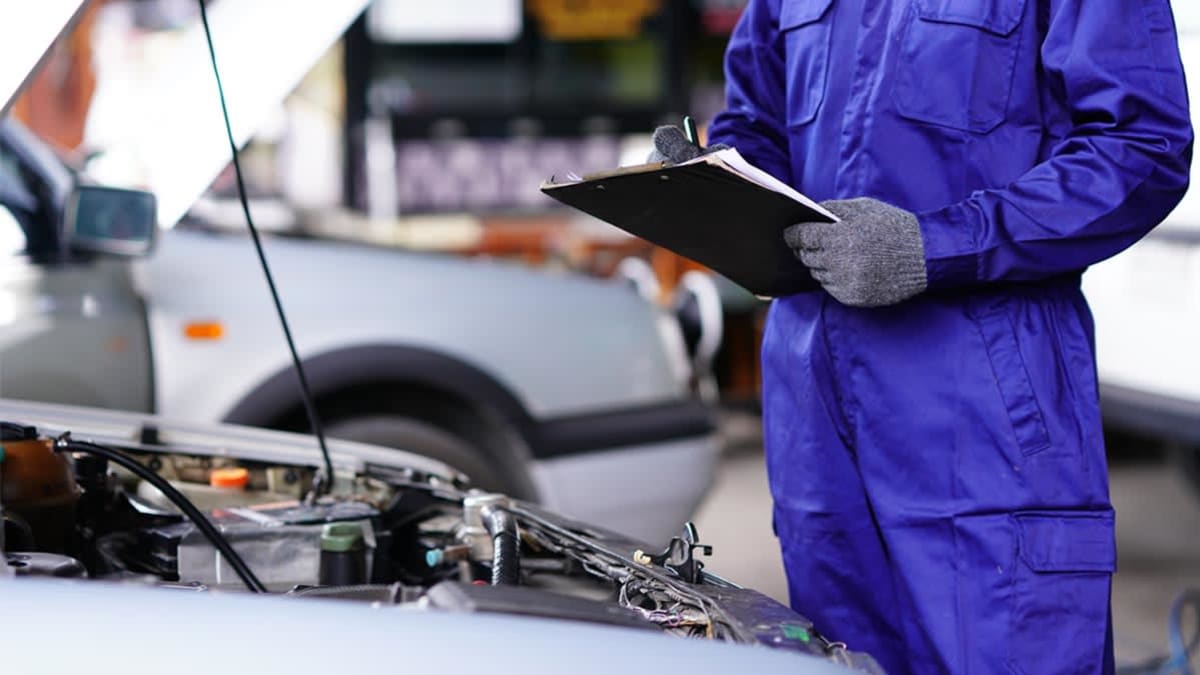
Buying used auto parts can save a substantial amount of money, especially for older vehicles or non-critical components. However, it requires careful evaluation to avoid wasting money on worn-out or incompatible parts. With the right approach, you can find reliable components that perform almost as well as new ones.
This guide covers practical tips to help you make informed decisions when purchasing used auto parts.
Why Consider Used Auto Parts?
Used parts are not just about saving money—they also offer practical and environmental benefits.
- Cost-effective: Often 40–70% cheaper than new parts
- Eco-friendly: Reduces waste and promotes recycling
- Availability: Ideal for discontinued or rare vehicle models
That said, not every part should be bought used. Knowing the difference is key.
Know Which Parts Are Safe to Buy Used
Some components are generally safe to purchase second-hand, while others carry higher risk.
Safe to Buy Used
- Body panels (doors, mirrors, bumpers)
- Interior components (seats, dashboards, switches)
- Wheels and rims
- Engines and transmissions (if properly inspected)
Avoid Buying Used
- Brake components (pads, discs)
- Airbags
- Timing belts
- Electrical sensors with unknown lifespan
Safety-critical parts should always be new unless certified refurbished.
Verify Compatibility Before Buying
One of the most common mistakes is buying a part that doesn’t fit.
- Check the part number carefully
- Match with your car’s make, model, and year
- Confirm compatibility with the VIN (Vehicle Identification Number)
- When in doubt, consult a mechanic
Even slight variations between models can lead to fitting issues.
Inspect the Condition Thoroughly
Never rely solely on appearance—inspect the part in detail.
- Look for cracks, rust, or excessive wear
- Check for signs of repairs or modifications
- Ensure moving parts operate smoothly
- Ask about mileage (for engines or transmissions)
If buying online, request clear, high-resolution images from multiple angles.
Buy from Reputable Sources
Where you buy matters just as much as what you buy.
- Authorized salvage yards
- Certified auto recyclers
- Trusted online marketplaces with reviews
- Local mechanics or workshops
Reliable sellers often provide tested parts and basic warranties.
Ask About Warranty or Return Policy
Even used parts should come with some level of assurance.
- Look for at least a 7–30 day return window
- Prefer sellers offering limited warranties
- Clarify refund or exchange conditions
This protects you if the part fails shortly after installation.
Compare Prices, But Don’t Chase the Cheapest Option
A deal that looks too good often comes with hidden risks.
- Compare prices across multiple sellers
- Consider condition and warranty, not just price
- Avoid heavily discounted parts with unclear history
Paying slightly more for a reliable part is usually the smarter choice.
Consider Refurbished or Reconditioned Parts
Refurbished parts sit between new and used.
- Professionally cleaned, repaired, and tested
- Often come with better warranties
- More reliable than standard used parts
They are a good option for critical components like alternators or gearboxes.
Check Installation Costs
Sometimes a cheap part becomes expensive after installation.
- Ensure compatibility to avoid reinstallation costs
- Ask if your mechanic is comfortable installing used parts
- Factor in labor charges before purchasing
A wrong part can double your expenses.
Keep Documentation
Always maintain a record of your purchase.
- Invoice or receipt
- Warranty details
- Seller contact information
This helps in case of returns or future reference.
Conclusion
Buying used auto parts is a practical way to reduce maintenance costs without compromising too much on performance. The key lies in careful inspection, choosing reliable sellers, and avoiding critical safety components.
With a little research and attention to detail, you can make smart purchases that keep your vehicle running smoothly while staying within budget.
FAQs
1. Are used auto parts reliable for long-term use?
Yes, if sourced from reputable sellers and properly inspected, many used parts can perform reliably for years.
2. Is it safe to buy a used engine?
It can be safe if the engine is tested, has known mileage, and comes with a limited warranty.
3. How do I verify a part’s authenticity?
Check the original part number, branding, and compare it with manufacturer specifications.
4. Can I return a used auto part if it doesn’t fit?
This depends on the seller’s return policy, so always confirm before purchasing.
5. Are online marketplaces safe for buying used parts?
They can be, but only if the seller has strong reviews and provides clear product details.
6. What is the difference between used and refurbished parts?
Used parts are sold as-is, while refurbished parts are repaired and tested before resale.
7. Do mechanics recommend using used parts?
Many mechanics support it for non-critical components, provided the parts are in good condition.
Comments are closed.